
Why Don’t We Have Enough Good Bacteria in Our Septic These Days?
Modern living has changed. Has your septic kept up?
If you grew up in the country, you probably remember when a septic system could run for years without much attention. So why do so many modern households experience unpleasant septic smells, sluggish drains, sludge build-up and wastewater treatment problems?
The answer often comes down to one important factor: the biological balance inside your septic system.
A septic tank isn’t simply a holding tank for household waste. It’s a living biological treatment system, relying on billions of microorganisms to break down organic material and help process the waste entering your home wastewater system.
But the way we live today can put that natural process under pressure.
At Septic Science, we believe understanding what happens inside your septic is the first step towards keeping it working properly.
1. Your Septic Needs a Healthy Population of Good Bacteria
Every day, wastewater from your toilets, kitchen, bathroom and laundry enters your septic system.
Naturally occurring microorganisms get to work breaking down organic material, including proteins, fats and other waste products. Different microorganisms perform different functions, helping your system process the material entering the tank.
The greater the amount and variety of waste entering the system, the more important it is to maintain a healthy and effective biological population.
This is where household size can make a difference.
Why can a septic work better with more than two people?
A septic system serving a family of four or five generally receives a more regular supply of wastewater and organic material than a system serving a couple or a single occupant.
That regular input can help maintain an active microbial community, provided the system is correctly designed and operated for the household’s loading.
In contrast, a septic serving only one or two people may experience long periods of low usage. Holiday homes, weekender properties and rural homes occupied by just a couple can have particularly variable wastewater inputs.
However, there is an important distinction: more people do not automatically mean a healthier septic. Every system has a design capacity, and excessive loading can cause problems of its own.
The goal is to maintain a healthy biological balance that can cope with the wastewater your household produces.
2. Modern Living Introduces New Challenges
Our lifestyles have changed considerably over the years.
We use a wider range of household cleaning products, take more medications, consume different diets and regularly introduce substances into our wastewater that can influence microbial activity.
Your septic system receives the waste and wastewater that leave your home. What goes down the drain can therefore have consequences beyond the pipes themselves.
Household cleaning chemicals
One of the most common threats to a healthy septic system is the excessive use of harsh cleaning chemicals.
Bleaches, disinfectants, antibacterial cleaners and aggressive drain-cleaning products are designed to kill microorganisms or break down material chemically.
Unfortunately, products that affect unwanted microorganisms can also disrupt the beneficial microbial community inside your septic system.
Occasional use of some household products may be manageable, depending on the product and quantity. However, repeated or excessive discharge of harsh chemicals can place unnecessary stress on the biological treatment process.
Our advice: Choose cleaning products carefully, follow label directions and avoid routinely flushing concentrated disinfectants or harsh drain cleaners into your septic system.
Medications and antibiotics
Modern medicine has improved our lives enormously, but some medicines can also influence the microorganisms responsible for wastewater treatment.
Antibiotics are specifically designed to affect bacteria, although their effects differ between bacterial species. Depending on the medication, concentration and quantity entering the system, some treatment microorganisms may be affected. Chemotherapy drugs, unfortunately have a substantial effect on wastewater systems and so systems should be pumped after the treatment is completed. Septic Clean can give short term relief from smells, but our bacteria too will be eventually killed by the chemo drugs. Call us to discuss the options available.
Certain other pharmaceuticals can also influence microbial activity or the wider wastewater environment.
The effects vary, so not every medication will cause a septic problem. Nevertheless, medication use is one reason a septic’s biological performance may change over time.
Households receiving intensive medical treatment should seek professional advice about any particular risks to their wastewater system.
What about spicy foods and our modern diet?
Our diets have changed, too.
Spicy foods, richer meals, different food ingredients and dietary supplements are all part of modern living. These changes can alter what enters our wastewater system, along with the quantities of fats, oils and other organic material entering the tank.
However, it is important to distinguish between changes in household waste and proven effects on septic bacteria.
Eating spicy food does not automatically destroy the beneficial bacteria in a septic tank. The relationship between diet and septic performance is more complicated than that.
The practical point is that a septic system must continually process the changing mixture of organic material and other substances entering it.
When that biological process is disrupted by chemicals, certain medications, variable usage or other environmental conditions, treatment performance can suffer.
3. Why Can’t We Just Rely on Our Own Natural Bacteria?
A significant part of the microbial population in a domestic septic system develops naturally from the waste entering it and the organisms already established within the system.
Under suitable conditions, these microorganisms multiply and help maintain the treatment process.
But natural bacterial populations are not fixed. They change with temperature, wastewater loading, chemical exposure and other environmental conditions.
Some organisms thrive while others decline. A sudden change in conditions can upset the balance, reducing the effectiveness of particular biological processes.
This is why a septic that has operated satisfactorily for years may eventually begin to develop problems.
You might notice:
- Persistent or unusual septic odours.
- Slower drains or recurring drainage problems.
- Increased sludge accumulation.
- Changes in the operation of an aerated wastewater treatment system.
- Foaming or other unusual behaviour in a treatment unit.
These symptoms can have several causes, including plumbing faults, excessive water loading, blockages, mechanical problems and poor system design or maintenance. A bacterial imbalance is one possibility, but it is not the only one.
The important thing is to investigate the cause rather than simply masking the symptoms.
4. Replenishing the Good Bacteria with Septic Clean
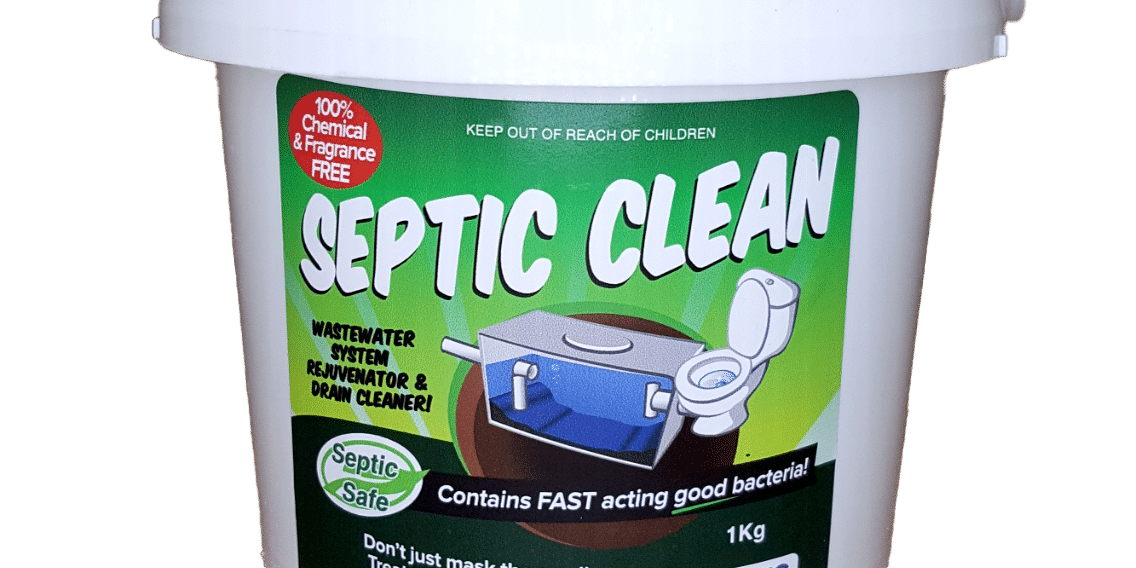
This is where Septic Science Septic Clean comes in.
Septic Clean contains a concentrated culture of selected beneficial microorganisms designed to support the biological processes occurring in septic tanks and wastewater treatment systems.
Rather than relying entirely on the microbial population already present, Septic Clean introduces additional microorganisms that can participate in the breakdown of organic material.
The bacteria used in Septic Clean are selected for their wastewater-treatment applications and their ability to produce enzymes involved in breaking down different types of organic matter.
These include:
- Proteins: Broken down through the action of protein-degrading enzymes.
- Fats and oils: Targeted by fat-degrading enzymes.
- Starches and carbohydrates: Processed through the action of enzymes such as amylase.
- Cellulose and other organic material: Subject to microbial processes that help break down these compounds.
Different microorganisms perform different functions. By introducing a concentrated microbial culture, Septic Clean is designed to supplement the biological activity already occurring within your wastewater system.
This process is known as bioaugmentation.
It doesn’t replace the need for a correctly designed septic system, sensible household practices or appropriate maintenance. Instead, it provides an additional source of selected microorganisms to help support the system’s biological processes.
Why use Septic Clean regularly?
Waiting until your septic develops an unpleasant smell or another noticeable problem means you may already be dealing with a system under stress.
Regular maintenance dosing provides an opportunity to replenish beneficial microorganisms as part of an ongoing wastewater-care routine.
This can be particularly relevant for households that:
- Use cleaning products that may affect septic bacteria.
- Have variable wastewater usage.
- Have experienced septic odours or biological imbalances.
- Want to support the biological treatment process as part of routine maintenance.
Results will depend on the condition and design of the individual system, the substances entering it and the environmental conditions inside the tank.
Septic Clean is not a substitute for pumping when required, mechanical repairs or professional investigation of persistent problems.
5. Look After Your Septic’s Biological Balance
A few simple habits can help protect the microorganisms working inside your wastewater system.
Be selective with cleaning products. Avoid unnecessary use of harsh antibacterial products, concentrated bleach and aggressive drain cleaners.
Don’t overload your system. Excessive water use can affect settling and treatment performance. Spread water-intensive activities where practical.
Be careful what goes down the drain. Avoid disposing of oils, fats, chemicals and unsuitable waste through your household plumbing.
Keep up with maintenance. Follow the maintenance requirements for your particular septic or aerated wastewater treatment system, including inspections and desludging when necessary.
Consider replenishing beneficial bacteria. A product such as Septic Clean can support the biological treatment process as part of your maintenance routine.
Most importantly, don’t ignore persistent odours, slow drains or changes in system performance. These can be early warnings that something needs attention.
Your Septic Is a Living System. Give It the Support It Needs.
Modern households place different demands on their wastewater systems than they did decades ago.
Cleaning products, medications, changing wastewater loads and environmental conditions can all influence the biological processes that make a septic system work.
A healthy septic depends on the right conditions for its microbial community to function effectively.
Septic Clean provides a concentrated culture of selected beneficial microorganisms to help support those biological processes.
Whether you live on a rural property, run a holiday home or simply want to look after your household septic, maintaining its biological health is an important part of responsible wastewater management.
Don’t just mask the smell. Look after the biology behind the system.
Give Your Septic the Good Bacteria It Needs
Discover how Septic Science Septic Clean can help support your wastewater treatment system.
Find out more about Septic Clean:
https://www.septicscience.com.au/septic-clean/
Septic Science — bacteria-based solutions for septic systems and wastewater treatment.