Pond Cleaning Myths: Debunking Common Misconceptions for Effective Pond Care
Estimated reading time: 7 minutes
Key Takeaways
- Myths can negatively impact your pond’s health and maintenance.
- Understanding the truth about pond cleaning can improve water quality and fish health.
- Utilizing eco-friendly products is crucial for maintaining pond ecosystems.
- A practical maintenance schedule ensures long-term success in pond care.
- Incorporating natural solutions, such as beneficial bacteria, supports overall pond health.
Table of contents
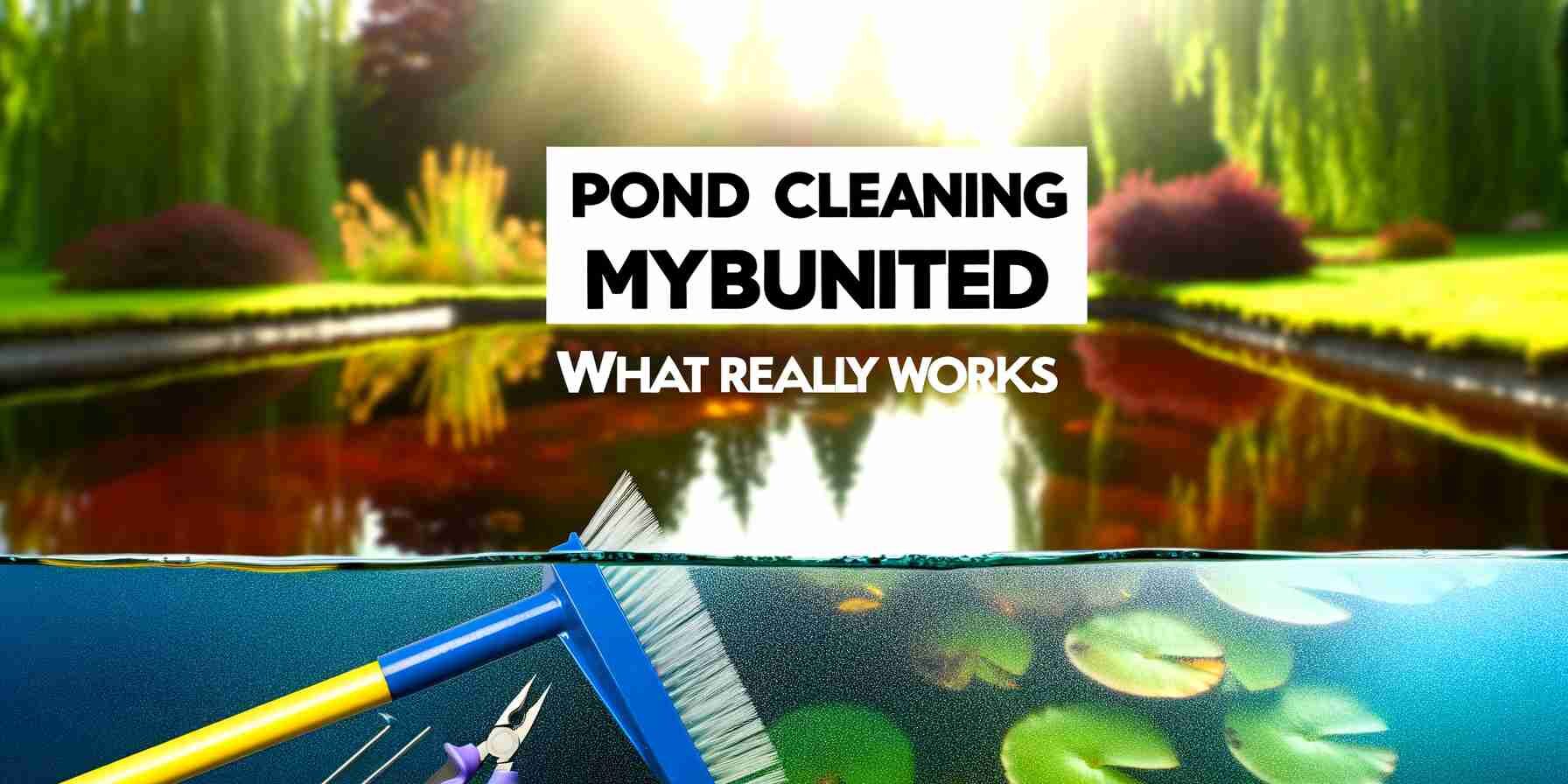
Maintaining a beautiful pond can bring joy and tranquility, but many pond owners fall prey to pond cleaning myths that can hinder effective pond cleaning practices. Common misconceptions can lead to improper maintenance, ultimately harming aquatic ecosystems. Understanding these myths is vital for ensuring a healthy aquatic environment and informed decision-making about pond care. This blog post aims to illuminate effective pond cleaning methods and debunk harmful myths, empowering pond owners to create and sustain healthy ecosystems.
Understanding Pond Cleaning Myths
Misconceptions about effective pond cleaning can often lead to significant issues, such as water quality problems and poor fish health. Many pond owners, guided by outdated or incorrect information, unknowingly follow practices that disrupt the natural balance of their aquatic environments. By debunking these myths and providing accurate guidance, we help empower pond enthusiasts to make informed choices regarding their pond maintenance strategies.
Research indicates that many commonly believed pond cleaning myths are not true. By educating yourself about these misconceptions, you can contribute to the long-term health of your aquatic ecosystem.
Sources: Turpin Landscape Design | Raymar Landscapes
Section 1: Common Myths About Pond Cleaning
Myth 1: Cleaning Your Pond Too Often Is Harmful
One pervasive myth is that frequent pond cleaning is detrimental. Regular cleaning is essential for supporting pond health, but excessive cleaning can disturb the natural balance of beneficial bacteria and microorganisms that keep the ecosystem thriving.
- Striking a Balance: Cleaning should be routine but not overly frequent. Unnecessary disruptions can lead to ecological imbalances. Find the right balance to maintain a healthy habitat.
- What to Do: Develop a cleaning schedule based on specific needs, focusing on essential tasks that support the pond’s health.
Source: Turpin Landscape Design
Myth 2: Algae Are Always Bad for Ponds
Another common belief is that all algae are harmful. While excessive algae can produce problems, some types are beneficial and vital for the pond ecosystem.
- Positive Influences: Certain algae produce oxygen and serve as food for aquatic creatures. The key is managing their growth rather than trying to eliminate them entirely.
- Maintain Balance: Encourage a balanced algae population to contribute positively while preventing overgrowth that leads to water quality issues.
Source: Raymar Landscapes
Myth 3: You Can Use Regular Cleaning Products in the Pond
Using regular household cleaning products in your pond can be catastrophic for aquatic life. These products can contain harsh chemicals that pollute water and harm fish and plants.
- Harmful Effects: Dish soap, bleach, and other solutions are not suitable as they can disrupt the natural ecosystem, leading to unintended consequences.
- Use Pond-Safe Products: Always opt for products specifically designed for ponds that are fish-safe and effective in maintaining clarity and balance without harm.
Source: Turpin Landscape Design
Myth 4: Pond Maintenance Is Only Necessary in Summer
Some believe that pond care is only necessary during warm months. This myth overlooks the fact that maintaining a pond is a year-round commitment.
- Seasonal Duties: Each season brings unique tasks, such as winterizing your pond, managing plant health in spring, and removing debris in fall.
- Year-Round Awareness: Dedicated maintenance throughout the year ensures your pond remains healthy and vibrant, adjusting tasks as needed based on seasonal changes.
Source: Mike’s Evergreen
Section 2: Effective Pond Cleaning Practices
Following proper cleaning practices is essential for maintaining a lovely pond. Here are some critical methods to ensure effective pond cleaning.
Best Practices for Cleaning Ponds
Regularly practicing maintenance is vital for a healthy pond ecosystem. Here are some best practices:
- Regular Debris Removal: Utilize nets or skimmers to remove leaves and debris regularly. Keeping the surface clean prevents algal blooms and maintains water quality.
- Proper Filtration System Maintenance: Ensure your filtration system is functioning efficiently. Regular checks and cleaning keep your water clear and healthy.
- Controlled Aquatic Plant Management: Manage plant growth by trimming overgrown species and introducing native plants that support biodiversity and stabilize the ecosystem.
- Periodic Water Testing: Testing water quality every month can identify issues before they worsen. Keep an eye on pH levels and nutrient buildup to ensure optimal conditions for aquatic life.
Incorporating these practices contributes towards improved pond health and visual appeal.
Natural Solutions for Maintaining Water Quality
Utilizing nature to support your pond’s ecosystem is one way to promote health without chemicals.
- Beneficial Bacteria: Using bacteria specifically designed for pond environments helps break down organic matter and reduces excess nutrients. These bacteria are crucial in maintaining a balanced ecosystem.
- Aquatic Plants: Integrating aquatic plants aids natural filtration, absorbing nutrients that could otherwise contribute to algal blooms. This helps keep the pond balanced.
- Aeration Systems: Installing aerators enhances oxygen levels, boosting waste breakdown and improving water quality. Healthy oxygen levels can prevent stagnation.
- Natural Predators: Introducing natural predators, such as certain fish species, controls mosquito populations and other pests, thereby supporting a balanced ecosystem without chemicals.
Sources: Healthy Ponds
Role of Beneficial Bacteria in Pond Maintenance
Beneficial bacteria play an essential role in maintaining a pond’s ecosystem.
- Organic Waste Breakdown: These bacteria assist in decomposing organic materials, preventing sludge buildup and maintaining clarity.
- Competing with Harmful Bacteria: By consuming available nutrients, beneficial bacteria reduce resources for harmful species, diminishing their growth and effects on aquatic life.
- Water Clarity: With regularly added beneficial bacteria, water clarity improves as these organisms consume particles that would otherwise cloud the pond.
- Odor Reduction: Successful bacteria help break down materials that can produce unpleasant odors, leading to a more pleasant experience around the pond.
Section 3: Pond Maintenance Truths
Understanding the realities of pond care can lead to more effective strategies for maintaining your water feature.
Regular Pond Maintenance Schedule
Creating and sticking to a regular maintenance schedule allows you to stay ahead of potential problems.
- Daily Tasks: Conduct visual inspections and remove visible debris. This practice keeps your pond looking its best and prevents waste buildup.
- Weekly Tasks: Check the water levels and inspect equipment such as pumps and filters. Regular checks ensure that your system functions correctly.
- Monthly Tasks: Test water quality for pH levels, ammonia, nitrite, and nitrate concentrations. Clean filters and prune unnecessary plant growth to encourage healthy growth.
- Seasonal Tasks: Adjust your routine based on the season. Spring might focus on cleaning and planting, while winter involves ensuring that surfaces remain clear of ice.
Importance of Continuous Monitoring
Observing and monitoring your pond is crucial for effective maintenance.
- Water Quality Check: Consistent testing makes it easy to identify potential issues and address them before they worsen.
- Fish Behavior Observation: Pay close attention to fish. Altered behavior can indicate water quality issues or disease, guiding you towards prompt action.
- Tracking Changes: Document alterations over time to understand trends, which aids in proactive management decisions.
- Plant Growth Monitoring: Keeping an eye on plants helps maintain a balanced ecosystem, preventing invasive species from taking over.
Seasonal Impacts on Pond Care
Recognizing how the seasons impact pond maintenance can significantly influence your approach.
- Spring: Clean out winter debris and prepare the pond for increased biological activity. Begin monitoring for upcoming plant growth.
- Summer: Maintain aeration and monitor for excessive algal blooms. Ensure that fish and plants have optimal conditions.
- Fall: Remove leaves and debris to avoid falling into the water. Prepare for colder temperatures and ice buildup.
- Winter: Prevent ice buildup to ensure gas exchange can occur, and check equipment as needed to prevent freezing.
Source: Mike’s Evergreen
Section 4: Product Recommendation

Pond Clean (large)An eco-friendly solution designed to maintain large ponds, effectively controlling algae and improving water clarity. Each pack contains 40 bags, treating large volumes efficiently. |

Pond Clean (small)Ideal for smaller ponds, this product promotes a balanced ecosystem while eliminating unwanted algae and sludge through the use of beneficial bacteria. Each bag treats up to 200L. |
Conclusion
Understanding the critical importance of debunking pond cleaning myths is essential for better pond maintenance and health. Providing accurate information helps encourage pond owners towards using proper, eco-friendly products that align with the realities of effective pond cleaning practices. By focusing on educational resources, we can avoid misconceptions that hinder pond care.
Septic Science offers a range of products tailored for effective cleaning and treatment, including solutions that support pond maintenance. Their commitment to eco-friendly products ensures healthy ecosystems without disrupting water quality.
Explore the recommended products and implement the ideas shared in this post to enhance your pond’s health and create a sustainable aquatic environment. Together, we can ensure thriving, clean, and balanced ecosystems.
About Us
Septic Science specializes in eco-friendly cleaning and wastewater treatment solutions that effectively cater to residential and commercial needs, including ponds. Our product range uses beneficial bacteria designed for natural wastewater management.
All our products are tailored to be effective, safe for all plumbing types, and contribute to environmentally responsible cleaning efforts in various settings, including ponds, septic systems, and more. We are dedicated to helping you maintain clean and healthy environments, both indoors and outdoors.