Best Septic Tank Treatment: A Comprehensive Guide for Homeowners
Estimated reading time: 5 minutes
Key Takeaways
- Maintaining a functional septic system is crucial for homeowners reliant on these systems.
- The best septic tank treatments help break down waste and control odors.
- Regular maintenance and using appropriate treatments prevent costly failures.
- Understanding the septic system components is key for effective management.
Table of contents
- Understanding Septic Systems: Key Components and Functions
- Choosing the Best Septic Tank Treatment: Key Criteria
- Overview of Popular Septic Solutions: Natural vs. Chemical Treatments
- Product Recommendation
- Tips for Septic System Care: Best Practices for Longevity
- Conclusion: Essential Steps for Maintaining a Healthy Septic System
- About Us: Septic Science and Our Commitment to the Environment
Maintaining a functional septic system is crucial for homeowners who rely on these wastewater treatment systems. Proper septic tank treatment is essential for preventing costly failures, protecting groundwater, and ensuring the longevity of the system. The best septic tank treatments help break down waste, control odors, and maintain a healthy balance of bacteria in the tank, which is vital for efficient operation. Regular septic system care, including using appropriate treatments and following maintenance best practices, is key to avoiding issues like clogs, backups, and environmental contamination.
In this blog post, we will explore the best septic solutions available to ensure your septic system operates effectively, minimizing potential problems and maximizing its lifespan.
Understanding Septic Systems: Key Components and Functions
A typical septic system consists of several key components:
- Septic Tank: This is the primary storage unit that collects and partially treats wastewater. It allows solids to settle and scum to float, beginning the treatment process.
- Distribution Box: This part evenly distributes the treated effluent from the septic tank to the drainfield, ensuring balanced treatment across the system.
- Drainfield (Leach Field): This component filters and disperses treated wastewater into the surrounding soil where microorganisms can further break down any remaining contaminants.
Inside the septic tank, anaerobic bacteria play a crucial role in breaking down solid waste. The tank separates wastewater into three layers:
- Scum (Top Layer): This layer consists of oils and greases that float on the surface.
- Effluent (Middle Layer): This is partially treated wastewater that moves toward the distribution box.
- Sludge (Bottom Layer): Heavier solids that settle at the bottom of the tank.
Regular maintenance, including pumping every 3 to 5 years, is essential for optimal performance. This keeps the system functioning efficiently and prevents sludge buildup, ensuring that only treated effluent enters the drainfield. For more detailed guidance on septic system care, you can visit the EPA’s recommendations here.
Choosing the Best Septic Tank Treatment: Key Criteria
Selecting an effective septic tank treatment involves careful consideration of several factors:
- Type of System: Conventional and advanced treatment units have different requirements. It’s critical to choose a treatment compatible with your specific system.
- Environmental Impact: Opt for eco-friendly treatments that won’t harm the beneficial bacteria essential for the septic system’s function.
- Effectiveness at Breaking Down Solids: Look for treatments that contain enzymes targeting organic waste, ensuring effective breakdown of materials within the tank.
- Frequency of Application: Many treatments are recommended for monthly use to maintain optimal bacterial populations and system function.
- Safety: Avoid harsh chemical treatments that can disrupt the bacterial balance, leading to system failures and potential environmental hazards.
The best septic solutions support the natural biological processes in the tank without introducing harmful substances. For more insights on choosing the best septic tank treatment, refer to the recommended resources on effective treatments here.
Overview of Popular Septic Solutions: Natural vs. Chemical Treatments
Beneficial bacteria are crucial for maintaining the health of septic systems. The most effective treatments typically include:
- Aerobic and Anaerobic Bacteria: These microbes thrive in different conditions and each plays a role in breaking down waste.
- Enzymes: These components break down fats, proteins, and carbohydrates effectively and support bacterial growth.
- Nutrients: Supporting bacterial growth ensures that the beneficial microbes can thrive and do their work efficiently.
Here’s a look at the different types of treatments available:
- Chemical Treatments: Generally harsher on the system, they can disrupt the delicate bacterial balance necessary for proper function.
- Natural/Biological Treatments: These support healthy bacteria populations without introducing harmful chemicals.
- Enzyme-Based Treatments: Focused on breaking down specific waste types, these treatments are often a preferred option for homeowners.
Monthly maintenance treatments help maintain a consistent population of beneficial bacteria and prevent the buildup of solids in the tank. For further reading on effective septic solutions, check out this link here.
Product Recommendation
 |
Septic CleanThis high-performance septic system rejuvenator eliminates odors and blockages while promoting long-term health. It reintroduces beneficial bacteria to treat sludge, improving overall septic system efficiency. |
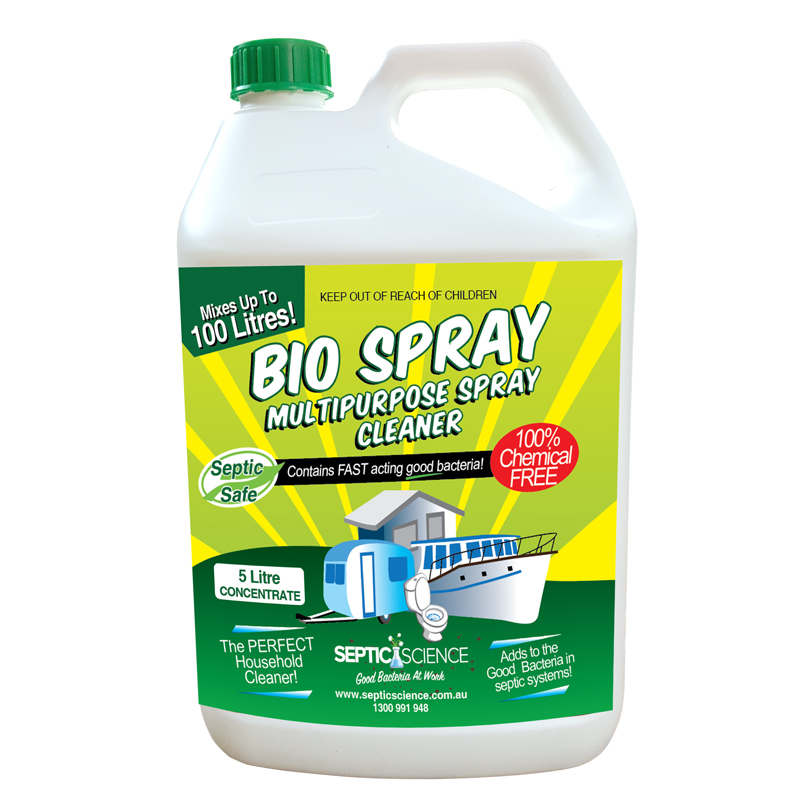 |
Bio SprayAn eco-friendly, concentrated cleaner effective for various surfaces, including septic systems. It is safe for all plumbing types, promoting cleanliness without disrupting the bacterial balance needed for septic health. |
Tips for Septic System Care: Best Practices for Longevity
To keep your septic system functioning smoothly, follow these best practices:
- Conserve Water: Excessive water use can overload your system. Consider installing water-saving fixtures and spreading laundry throughout the week.
- Proper Waste Disposal: Avoid flushing non-biodegradable items, grease, and hygiene products as these can cause clogs and backups.
- Use Septic-Safe Products: Choose biodegradable and septic-safe cleaners and toiletries to minimize harmful impacts on your bacteria.
- Regular Pumping: The EPA recommends having your tank pumped every 3 to 5 years to remove sludge and scum buildup.
- Maintain Records: Keeping accurate maintenance records allows for timely pumping and inspections. This can be crucial for tracking your system’s health.
Common Mistakes to Avoid:
- Using harsh chemical drain cleaners that can kill beneficial bacteria.
- Flushing medications or other chemicals that should not enter the system.
- Planting trees near the drainfield, whose roots can damage your system.
- Allowing vehicles to drive or park on the drainfield, which can compact the soil and disrupt functionality.
Understanding these best practices can save you from costly repairs and environmental issues. For more on septic system care, refer to the EPA guidelines here.
Conclusion: Essential Steps for Maintaining a Healthy Septic System
Choosing the best septic tank treatment is crucial for maintaining a healthy, efficient system. Regular maintenance, including the use of biological treatments like Septic Clean and Bio Spray, can prevent costly failures and protect the environment. By adopting proper septic system care practices, you can ensure that your system functions optimally for years to come.
About Us: Septic Science and Our Commitment to the Environment
Septic Science is dedicated to providing eco-friendly cleaning and wastewater treatment solutions. Our comprehensive range of products is designed to support the natural biological processes within septic systems while being safe for the environment. Whether you need monthly maintenance treatments or septic-safe cleaners, we encourage you to explore our product range for effective septic system care solutions that prioritize long-term health and environmental responsibility.