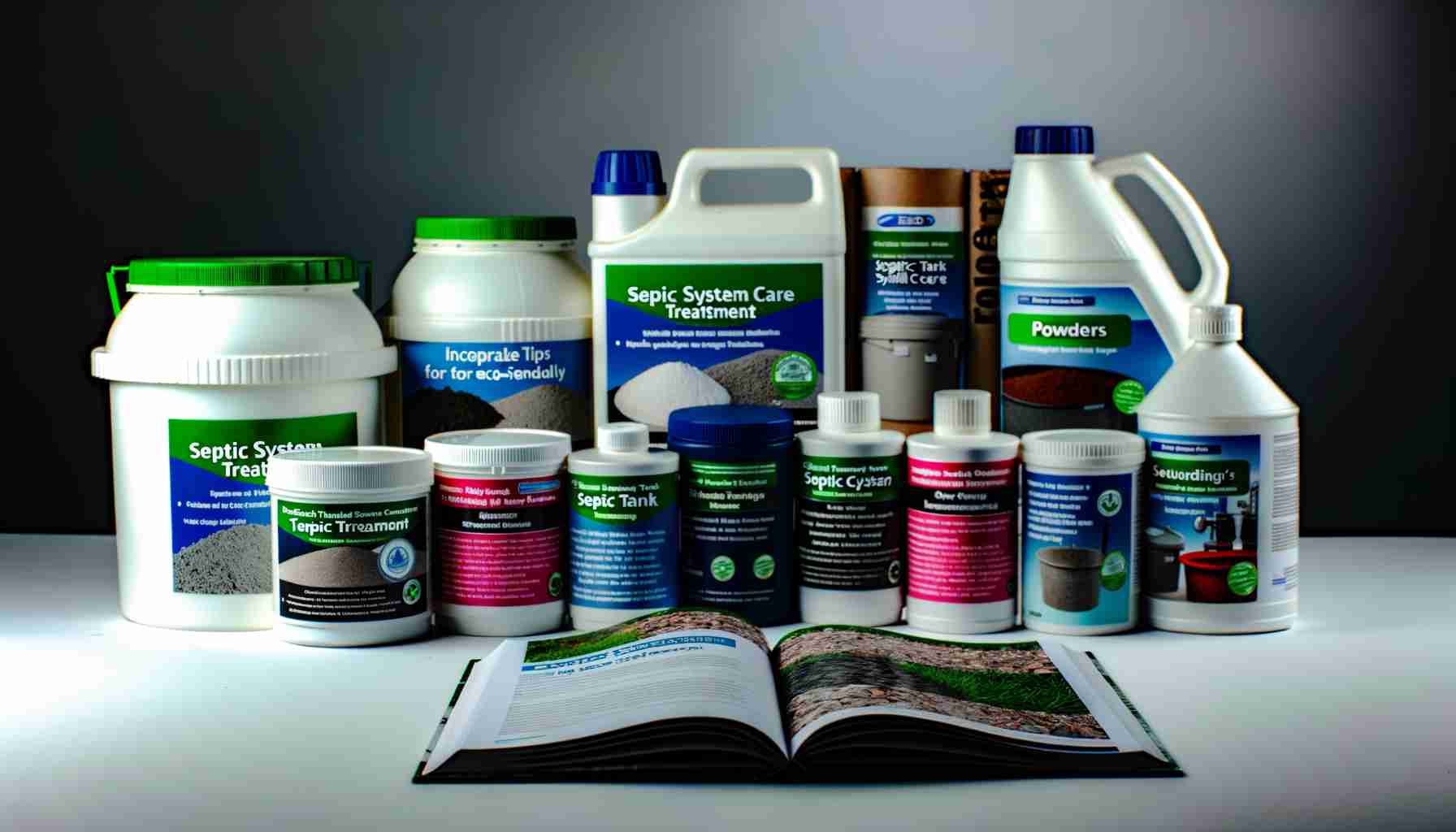
Best Septic Tank Treatment: Keeping Your System in Top Shape
Estimated reading time: 5 minutes
Key Takeaways
- Regular maintenance is crucial for preventing costly repairs.
- Choosing eco-friendly solutions promotes environmental protection.
- Utilizing beneficial bacteria enhances septic system performance.
- Regular assessments help catch potential problems early.
Table of contents
Septic systems are crucial components of rural and suburban homes that rely on them for wastewater management. The best septic tank treatment ensures that these systems remain efficient, functioning properly, and free from costly repairs or replacements. Regular maintenance and optimal treatment are vital for preventing significant septic issues that could arise from neglect. The right septic system care not only prolongs the lifespan of your septic system but also supports community health and environmental protection.
In this blog post, we will explore septic system care, the various products available, how septic systems work, and what you should do to choose the best septic solutions for your home.
Understanding Septic Systems
Septic systems consist of two main components: the septic tank and the drainfield. Here’s how they work:
- Septic Tank: This underground structure separates solids from liquids in the wastewater. It allows beneficial bacteria to break down the waste into effluent.
- Drainfield: After treatment in the tank, the effluent flows into the drainfield where it is further processed by soil microbes before being released into the environment.
The critical role of bacteria cannot be overstated; they digest organic matter, keeping the system running smoothly. You can learn more about septic systems from the EPA.
Importance of Regular Maintenance
Regular maintenance is essential in septic system care. Neglect can lead to:
- Clogs: Solids can accumulate, obstructing the system and leading to backups.
- Foul Odors: A poorly maintained septic tank can emit unpleasant smells into the home and yard.
- System Failures: Neglect can ruin the system, making it necessary to replace, which is costly and disruptive.
Regular assessments will help catch potential problems early, preventing this range of issues. For more details, visit Septic System Pumping.
Choosing the Best Septic Tank Treatment
When it comes to choosing the best septic tank treatment, various factors need to be considered:
- Type of Waste: If your household uses a garbage disposal, you’ll need treatments more frequently. High water usage warrants a stronger treatment solution.
- Frequency of Use: Year-round homes require more attention than seasonal ones.
- Environmental Impact: Opt for eco-friendly products that won’t harm beneficial bacteria or soil microorganisms.
Benefits of Eco-Friendly Treatments
Eco-friendly treatments are generally the best septic solutions. They are:
- Safe for beneficial bacteria, which are vital for waste breakdown.
- Biodegradable, meaning they decompose without leaving harmful residues.
- Effective against odors, making them a favorite among homeowners.
Learn more about environmentally friendly options from Earth Smart Solutions.
Best Septic Solutions Available
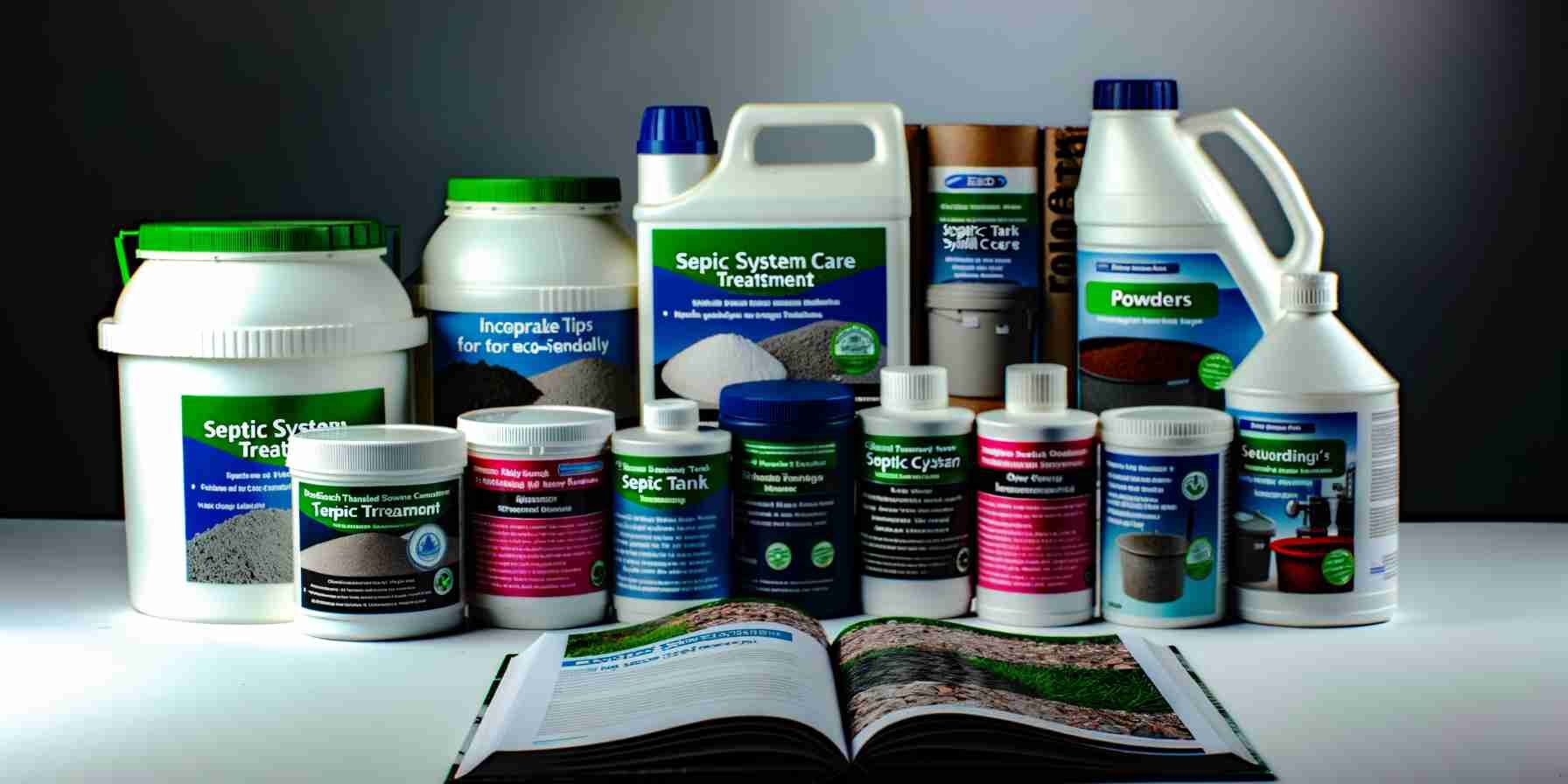
Several treatments stand out in the marketplace due to their effectiveness:
Septic Clean

Septic Clean
Overview: This product features a high concentration of beneficial bacteria designed to digest organic matter effectively.
Benefits: Regular use of Septic Clean ensures your septic system performs optimally and can prevent serious issues such as backups and odors.
UV Clean

UV Clean
Overview: UV Clean excels at eliminating stubborn odors and stains.
Benefits: This product complements septic care by providing additional cleaning power, ensuring a sanitary environment around your septic system.
Tips for Septic System Care
Maintaining your septic system requires diligence and attention. Here are some vital practices:
- Pump the Tank: It’s important to have your septic tank pumped every 3-5 years. Regular pumping prevents sludge buildup and system failures. Refer to the EPA for detailed recommendations.
- Conserve Water: Aim to reduce water usage to prevent overwhelming the system. Simple steps like fixing leaks and using water-efficient appliances can make a difference.
- Avoid Non-Biodegradable Products: Only flush biodegradable items down the toilet. Avoid products such as wipes, sanitary napkins, and other items that can clog the system.
- Use Septic Safe Cleaners: Choose cleaning products designed for septic systems to prevent disrupting the bacterial balance.
Monitor System Health
Keeping an eye on system performance is crucial. Look out for signs like:
- Foul Odors: Noticeable smells can indicate a problem.
- Slow Drains: If drains are slower than usual, it may signal a blockage or other issues.
- Wet Spots: Pools of water around the drain field could indicate a failure.
Regular monitoring helps catch and resolve issues early, minimizing trouble down the line.
Conclusion
Choosing the best septic tank treatment is essential for maintaining your septic system’s efficiency and avoiding costly repairs. By focusing on eco-friendly solutions, you not only promote a well-functioning septic system but also protect the environment. Use the recommendations provided to enhance your septic care strategy and ensure a long-lasting, effective septic system.
About Us
At Septic Science, we pride ourselves on being an eco-friendly specialist in cleaning and wastewater treatment solutions tailored for both residential and commercial applications. Our commitment to using beneficial bacteria and safe, effective products sets us apart in the industry.
We offer a range of products designed for everyday use while emphasizing the importance of regular septic system maintenance. Explore our offerings and discover how we can help you maintain a healthy and efficient septic system by visiting Septic Science.
With the right treatments and practices in place, you can ensure the longevity and efficiency of your septic system while protecting the environment and your home.