
Septic Tank Maintenance Tips: Keep Your System Healthy
Estimated reading time: 6 minutes
Key Takeaways
- Regular septic tank maintenance is vital for health and environmental safety.
- Homeowners should monitor system health through proactive care.
- Proper usage and understanding of septic systems can prevent failures.
- Awareness of warning signs can save on costly repairs.
Table of contents
Septic tank maintenance is a critical aspect of owning a home with a septic system. Regular upkeep is vital for preventing system failures, environmental contamination, and potential health hazards. By adhering to septic tank maintenance tips, homeowners can enjoy the benefits of a well-functioning system, avoiding costly repairs and ensuring the safety of their property and surroundings.
Overview of Septic Systems
Septic systems play an essential role in treating wastewater for homes not connected to centralized sewer systems. They utilize natural processes to handle and dispose of household wastewater effectively.
How Septic Systems Operate
A typical septic system has two main components:
- Septic Tank: This is where wastewater enters and begins the treatment process.
- Drainfield: Treated effluent disperses here, allowing further treatment through soil filtration.
The operational mechanism of a septic system includes:
- Entry of Wastewater: Household wastewater flows into the septic tank through pipes.
- Sedimentation: Heavier solids settle at the bottom, forming sludge.
- Floatation: Lighter materials rise to the top, creating scum.
- Effluent Flow: Partially treated wastewater then moves to the drainfield.
Understanding septic systems is essential for homeowners to ensure proper maintenance and prevent failures. More information can be found in this resource: The Spruce – Regular Tasks for Septic Tank Maintenance.
Homeowner Tips for Effective Septic Tank Maintenance
To maintain your septic system effectively, here are crucial tips every homeowner should consider:
Practical Maintenance Steps
- **Conserve Water**: Reduce water usage to prevent overloading the system. Consider fixing leaks and using water-efficient fixtures.
- **Prompt Repairs**: Address plumbing leaks promptly to prevent excess water from entering the system.
- **Laundry loads**: Spread laundry loads throughout the week to avoid overwhelming the system.
- **Clean Drainfield**: Keep the area around your drainfield clean and avoid planting trees or shrubs that could damage the pipes.
Avoid Non-Biodegradable Items
- **Flushing Habits**: Never flush items like wipes, sanitary products, or trash. These can clog the system and cause failures.
- **Plant Choice**: Grass is the only vegetation recommended over the drainfield to prevent root intrusion.
Pumping and Inspection Frequency
- **Regular Check-ups**: Inspect your septic tank every 1 to 3 years and pump it every 3 to 5 years, depending on your household size and water usage.
- **Septic Product Usage**: Consider products that enhance the bacterial environment in your septic tank.
Following these septic tank maintenance tips can help homeowners actively avoid issues. Additional information can be found at EPA – Homeowner’s Guide to Septic Systems.
Best Practices for Septic System Care
Maintaining a healthy septic system is essential for longevity and efficiency. Follow these best practices to ensure optimal septic system care:
Eco-Friendly Products
- **Choose Wisely**: Using biodegradable and phosphate-free detergents is crucial. Select septic-safe cleaning products that won’t harm your system.
- **DIY Cleaners**: Opt for vinegar and baking soda for cleaning purposes—these natural options protect your septic health.
Enzyme-Based Treatments
Consider products like Septic Clean, a commercial pack that introduces beneficial bacteria to aid waste breakdown and promote a healthy septic ecosystem.
Using products that support your septic health can prevent costly repairs and maintain system efficiency. Further insights on best practices can be found in this resource: Angi – How Often Should My Septic Tank Be Inspected?.
Signs of Potential Issues to Avoid Septic Failures
Awareness of early warning signs can save you from significant issues down the road. Here are signs homeowners should watch for:
Warning Signs
- **Slow Draining**: If sinks or toilets drain slowly, it may indicate a clog or issue within the system.
- **Gurgling Plumbing**: Unusual noises in plumbing can suggest a problem with the septic system.
- **Odours**: Foul smells around drains or over the yard are key indicators of septic trouble.
- **Wet Areas**: Puddles or wet ground over the drainfield can signal leaks or breakdowns.
Steps to Take
If you observe any of these signs:
- **Stop Water Use**: Cease using water immediately to prevent further complications.
- **Contact a Professional**: Reach out to a licensed septic professional for inspection.
- **Timely Response**: Addressing these signs early prevents costly repairs and system failures. For more on this subject, visit EPA – Why Maintain Your Septic System.
Product Recommendation
 |
Septic Clean Commercial Pack – 10kgA high-performance septic system rejuvenator that eliminates odours, blockages, and sludge while promoting long-term system health. |
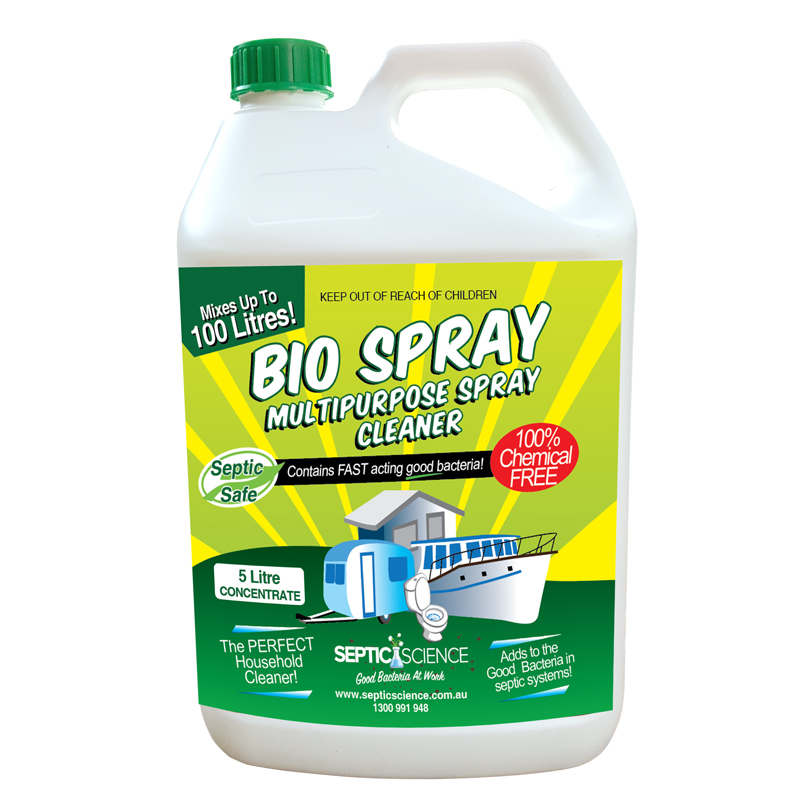 |
Bio Spray – All Purpose Cleaner Concentrate – 5Lt (Makes Up to 100L)An eco-friendly cleaner that makes up to 100 litres of multi-surface cleaner, safe for septic systems. |
Conclusion
In summary, following septic tank maintenance tips is crucial for protecting your home, health, and the environment. Regular care and the use of eco-friendly products like Septic Clean can keep your system functioning efficiently.
About Us Section
At Septic Science, we specialize in eco-friendly cleaning and wastewater treatment solutions that support residential, commercial, and outdoor environments. Our products utilize beneficial bacteria for natural waste breakdown, odor elimination, and septic health. We offer a variety of solutions for effective waste management, including septic systems, RVs, and marine wastewater treatment. Trust us for your septic tank maintenance tips and care.