“`html
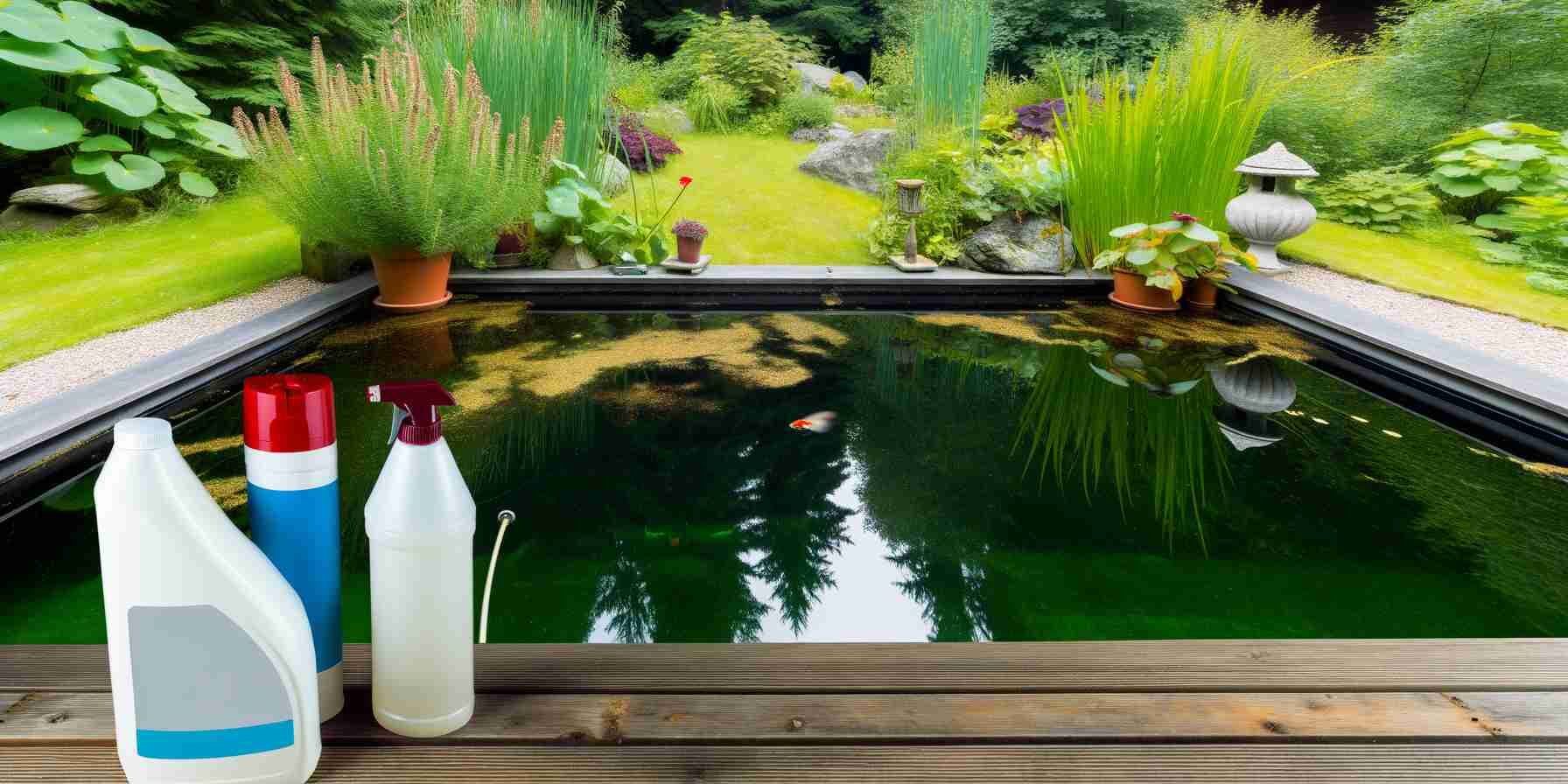
Best Pond Cleaner: Essential Guide to Maintaining Your Backyard Pond
Estimated reading time: 8 minutes
Importance of Backyard Pond Maintenance
Regular backyard pond maintenance is critical for nurturing a balanced aquatic environment. Neglecting this responsibility can lead to adverse conditions for both flora and fauna. Here are some key points to consider:
- **Ecosystem Balance**: Consistent maintenance supports beneficial bacteria, which are essential for the pond’s health. By ensuring that these microorganisms thrive, you promote natural water purification processes (source).
- **Water Quality**: Clean water is fundamental to optimal pond conditions. Poor water quality, often caused by accumulated waste and excess nutrients, can stress aquatic life, especially fish. If left unchecked, these conditions may lead to fish deaths and algae infestations (source).
- **Aesthetic Enhancement**: A well-maintained pond not only improves the look of your backyard but serves as a serene retreat for family and wildlife alike. Regular cleaning ensures that the pond remains a visually appealing feature of your landscape (source).
- **Equipment Longevity**: Regular maintenance prevents damage to pumps and filters, extending their functional lifespan. This can save you money and encourage a more efficient ecosystem (source).
In conclusion, neglecting the maintenance of your pond can adversely affect water quality and, consequently, the life it supports.
Understanding Water Clarity
**Water clarity** is defined as the transparency of water, which is vital for light penetration. This clarity allows aquatic plants to photosynthesize effectively, contributing to a healthy ecosystem. Factors that can compromise water clarity include:
- **Suspended Particles**: Soil, leaves, and debris can diminish water clarity and enable harmful algal blooms (source).
- **Algae Growth**: Excess nutrients often found from agricultural runoff can lead to rampant algae growth, which deprives fish and plants of necessary light (source).
- **Organic Matter Accumulation**: Dead plants and animals can cloud the water, making it difficult for light to penetrate and affecting the pond’s overall health.
Common issues affecting water clarity in backyard ponds include:
- **Algae Blooms**: Excess nutrients caused by overfeeding fish or runoff can lead to algal infestations that clog the water (source).
- **Debris Accumulation**: Leaves and twigs can accumulate and rot, clouding the water and affecting overall clarity (source).
- **Improper Filtration**: Inadequate filtration systems can allow contaminants to remain suspended in the water, leading to reduced clarity (source).
Maintaining clear water is essential for ensuring the health of fish and enhancing plant growth.
Choosing the Best Pond Cleaner
Selecting the **best pond cleaner** involves careful consideration of the product’s effectiveness and safety. Here are some criteria to guide your decision:
- **Safety**: Ensure that the product is safe for fish and plants. Avoid harsh chemicals that can disrupt aquatic life (source).
- **Effectiveness**: A good pond cleaner should address various water quality issues, such as algae control and organic waste reduction. Look for products that can balance nutrient levels and improve water clarity.
- **Environmental Impact**: Eco-friendly pond cleaners are essential for promoting sustainability in pond care. Products containing natural ingredients like beneficial bacteria and enzymes can significantly improve water quality without harming aquatic life (source).
- **Attributes of Good Pond Cleaners**:
- **Natural Ingredients**: Opt for products made with beneficial bacteria that work to break down organic matter.
- **Algae Control**: Effective cleaners should have properties that limit algae growth.
- **Nutrient Balancing**: Maintain proper nutrient levels to reduce the risk of harmful blooms.
- **Odor Reduction**: Eliminate unpleasant smells typically associated with stagnant water.
Using an effective pond cleaner can save you time and provide long-term benefits to your pond’s ecosystem.
Product Recommendation

Pond Clean (large)A large-scale pond cleaner treating 10,000L per bag, ideal for eco-friendly algae control and improving water clarity. It effectively removes sludge and promotes a balanced ecosystem. |

Pond Clean (small)This product treats ponds up to 200L, supporting algae reduction and clear water maintenance. It uses beneficial bacteria to keep water quality in check. |
Tips for Effective Backyard Pond Maintenance
To maintain a healthy and aesthetically pleasing pond, consider implementing the following practical pond maintenance tips:
- **Regular Skimming**: Remove floating debris weekly to prevent buildup and maintain aesthetic appeal.
- **Adequate Filtration**: Ensure your filtration system matches the size of your pond. An efficient filter will significantly affect water clarity and overall health.
- **Optimizing Fish Populations**: Avoid overcrowding your pond with fish. A balanced fish population minimizes waste and reduces stress on the aquatic ecosystem.
- **Plant Management**: Regularly trim aquatic plants and remove any dead foliage. Healthy plants contribute to better water quality and help control algae.
- **Aeration**: Use fountains or aerators to increase oxygen levels in your pond, which is essential for a thriving aquatic ecosystem.
- **Beneficial Bacteria Addition**: Introduce beneficial bacteria regularly. They help in maintaining a healthy biological balance, contributing to cleaner water.
The Necessity of Water Testing
Regular water testing is crucial for monitoring the pond’s health:
- **pH Levels**: Measure pH weekly to ensure it remains within the ideal range of 6.5-8.5.
- **Ammonia and Nitrite**: Test for ammonia and nitrite bi-weekly, particularly in newly established ponds.
- **Dissolved Oxygen**: Monitor oxygen levels regularly, especially in warmer months when oxygen levels may drop.
- **Phosphate Levels**: Conduct monthly tests to prevent algae problems, which flourish in high nutrient environments.
Establishing a Cleaning Schedule
Implementing a structured cleaning schedule can maintain a healthy pond throughout the seasons:
- **Daily**: Perform visual inspections and promptly remove any debris.
- **Weekly**: Carry out skimming, water testing, and filter cleaning.
- **Monthly**: Conduct a deep cleaning of filters and add beneficial bacteria as required.
- **Seasonally**: Major cleanings should occur in spring and fall to adapt to seasonal changes in water quality.
Conclusion
Using the best pond cleaner is essential for sustaining a vibrant and healthy backyard pond. It not only enhances water clarity but supports the entire ecosystem housed within your pond. Consider investing in the recommended pond cleaning products to facilitate effective and sustainable management of your water features.
About Us
At Septic Science, we are committed to providing eco-friendly cleaning and wastewater treatment solutions that cater to both residential and commercial needs. Our products utilize beneficial bacteria, which promote the natural breakdown of waste and odors, ensuring a healthier environment for septic systems and outdoor water bodies. Explore our range of products, specifically designed for maintaining backyard ponds, and join us in our commitment to sustainability and customer satisfaction.
By taking the necessary steps with the right tools, you can ensure that your backyard pond not only looks great but also supports a thriving ecosystem for all forms of life.
“`