
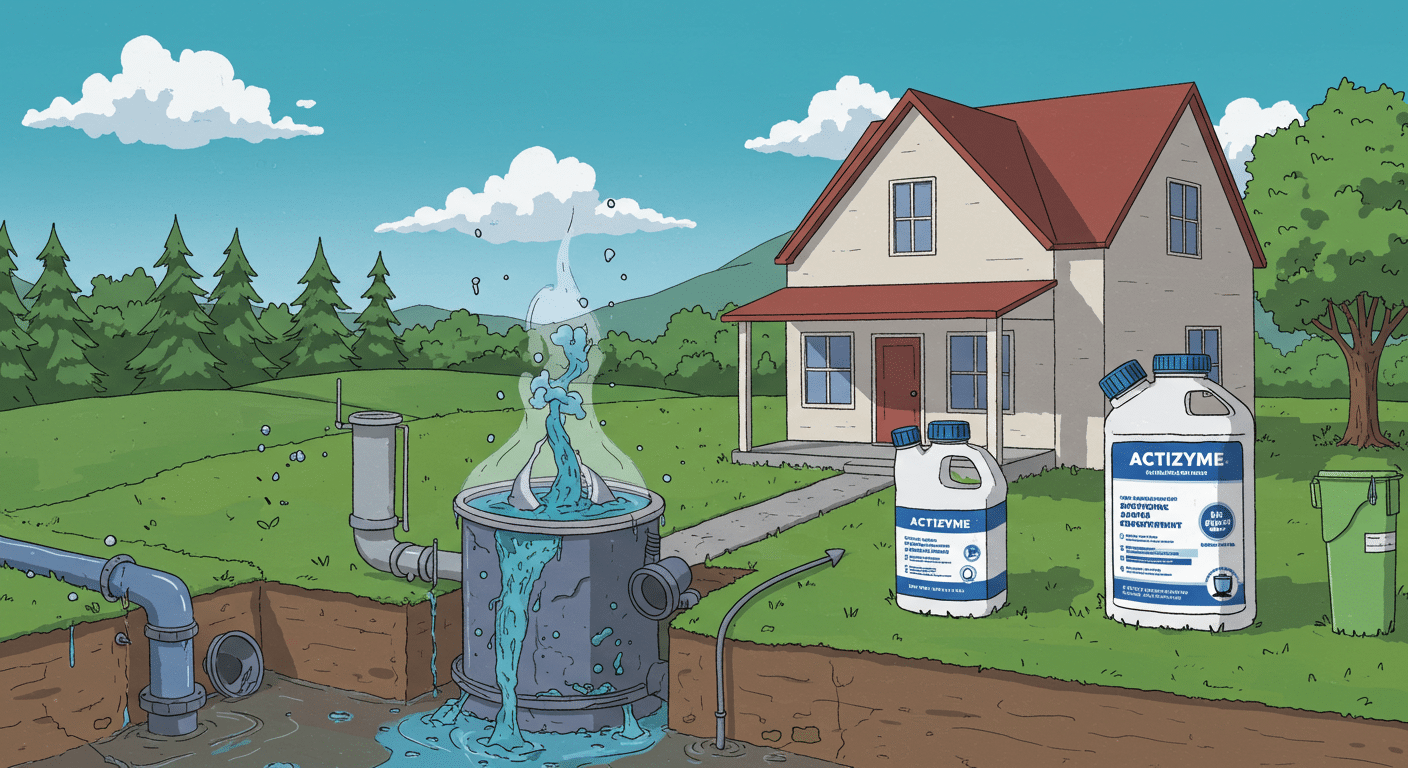
Actizyme vs Traditional Septic Treatments: Which is Better for Your Septic System?
Estimated reading time: 7 minutes
Key Takeaways
- Actizyme is an enzyme-based solution for septic systems, which offers enhancements over traditional treatments.
- Understanding how your septic system works can lead to better care.
- Traditional septic treatments may use harmful chemicals that can affect the environment.
- Eco-friendly options like Actizyme promote healthier septic systems and local ecosystems.
- Choosing environmentally safe treatments has long-term financial and ecological benefits.
Table of contents
When it comes to maintaining your septic system, the choice between Actizyme and traditional septic treatments has gained significant attention. The effectiveness and environmental impact of these solutions are crucial for homeowners relying on septic systems. Proper septic system maintenance is vital to ensure longevity and efficiency, especially in homes not connected to municipal sewer systems. In this post, we will dissect both options in detail to aid your decision-making.
Understanding Septic Systems
Septic systems function as self-contained wastewater treatment units. They consist primarily of two components: a septic tank and a drain field.
- How Septic Systems Work: Wastewater from your home flows into the septic tank. Heavy solids settle at the bottom, while lighter materials float to the top, forming scum. Beneficial bacteria in the tank break down the organic matter.
- Importance of Bacteria: The bacteria are essential for breaking down waste. Without these microorganisms, waste can accumulate, leading to blockages and system failures.
- Regular Maintenance: Regular maintenance, including pumping and necessary treatments, significantly extends the lifespan of septic systems. With proper care, typical systems can last between 20 to 40 years (source).
Overview of Traditional Septic Treatments
Traditional septic treatments often employ various chemicals designed to aid waste breakdown. Here’s a closer look:
- Commonly Used Chemicals: Sodium hydroxide, sulfuric acid, and chlorinated disinfectants are frequently included in conventional treatments to manage bacterial balance.
- Purpose and Effectiveness: These chemicals aim to maintain the bacterial equilibrium necessary for effective waste decomposition but can sometimes do more harm than good.
- Drawbacks of Chemical Treatments: Chemically-based treatments can adversely affect beneficial bacteria, corrode plumbing, and possibly contaminate groundwater. The environmental and financial costs associated with these methods can be considerable (source).
Introduction to Actizyme
Actizyme presents a new-age solution as an enzyme-based treatment for septic systems, boasting capabilities that traditional methods lack.
- What is Actizyme?: This product utilizes natural microorganisms and enzymes to assist in the breakdown of waste in septic tanks.
- Benefits of Actizyme:
- Enhanced waste breakdown efficiency
- Reduction of unpleasant odors
- Prevention of pipe blockages
- Eco-friendly composition with no harmful chemicals involved (source).
- How it Works: By enriching the natural biological processes, Actizyme ensures the system operates more effectively and sustainably.
Comparison of Actizyme and Traditional Septic Treatments
To make an informed choice, it’s essential to evaluate Actizyme against traditional chemical treatments across crucial dimensions:
Effectiveness
- Actizyme: Enzymes work in harmony with the septic system’s natural processes, promoting more reliable and sustainable performance.
- Traditional Treatments: While potentially effective at breaking down incoming waste quickly, they may not maintain long-term efficiency.
Safety
- Actizyme: Non-toxic and safe for both users and the environment.
- Traditional Treatments: Some chemical treatments can be hazardous for handling and danger to aquatic life.
Environmental Impact
- Actizyme: Eco-friendly and avoids introducing harmful chemicals into the environment.
- Traditional Treatments: Risks environmental contamination, impacting local ecosystems and groundwater sources (source).
Cost Considerations
- Actizyme: Initial costs may be similar to traditional treatments, but they often reduce long-term costs due to decreased maintenance needs, like pumping and repairs.
- Traditional Treatments: Initial costs might seem lower, but the ongoing costs associated with potential system failures and repairs can add up.
In real-world applications, studies have shown that enzyme treatments provide significant advantages over chemical solutions in maintaining optimal performance and reducing sludge accumulation (source).
Product Recommendation
| Product Image | Product Name | Summary | How it helps |
|---|---|---|---|
 |
Septic Clean – 3 Month Pack – 250gm |
A treatment that replenishes essential bacteria in your septic tank. | Enhances the natural decomposition process, reducing the need for frequent pump-outs. |
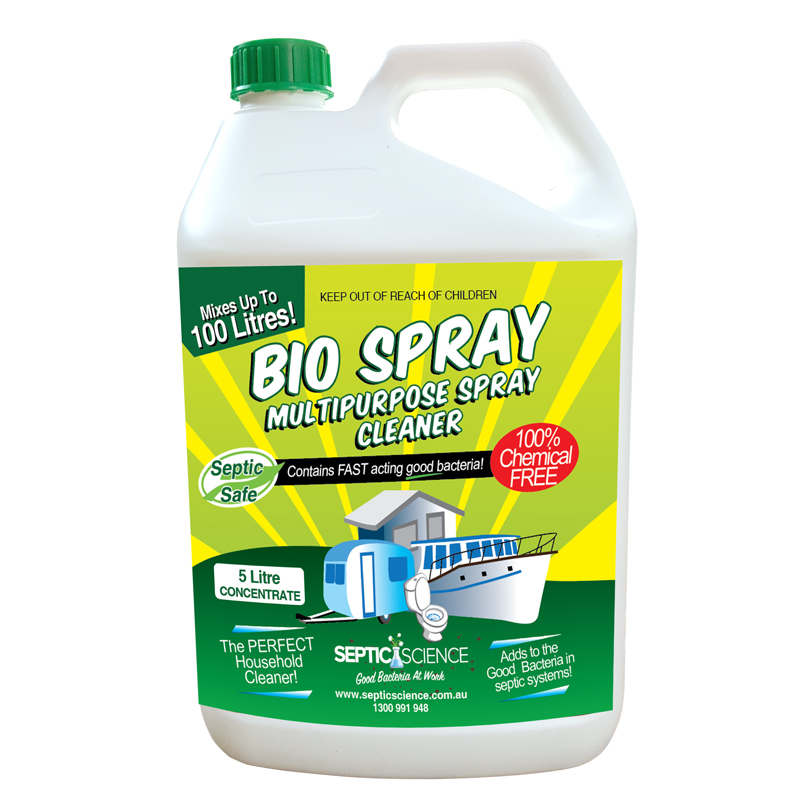 |
Bio Spray – All Purpose Cleaner Concentrate – 5Lt |
Concentrated cleaner suitable for various cleaning tasks. | Ensures household cleaning doesn’t disrupt the microbial balance in your septic system. |
Conclusion
In summary, enzyme-based treatments like Actizyme stand out over traditional chemical methods. They offer advantages in effectiveness, safety, and environmental sustainability. By implementing enzyme treatments along with recommended products, such as Septic Clean and Bio Spray, homeowners can ensure the longevity of their septic systems.
Septic Science remains committed to providing eco-friendly solutions and offers a wide range of products designed to enhance your septic system’s performance. Explore our offerings today and make informed choices for sustainable septic maintenance.
Frequently Asked Questions
What is the main difference between Actizyme and traditional treatments?
Actizyme utilizes natural enzymes to enhance waste breakdown, while traditional treatments often depend on harsh chemicals.
Are Actizyme treatments safe for the environment?
Yes, they are eco-friendly and do not introduce harmful substances into wastewater systems.
How often should I treat my septic system with Actizyme?
It is recommended to treat your system with Actizyme regularly as part of routine maintenance, ideally every few months.
Can traditional septic treatments harm my system?
Yes, certain chemicals can disrupt the balance of beneficial bacteria in septic systems and lead to long-term problems.
About Us
Septic Science is dedicated to delivering innovative and environmentally responsible solutions for wastewater management. Our diverse range of products is tailored to support septic systems and promote environmental sustainability. By choosing our products, you can maintain your septic system while contributing to eco-friendly practices. Explore our full range of options for effective and responsible septic care.